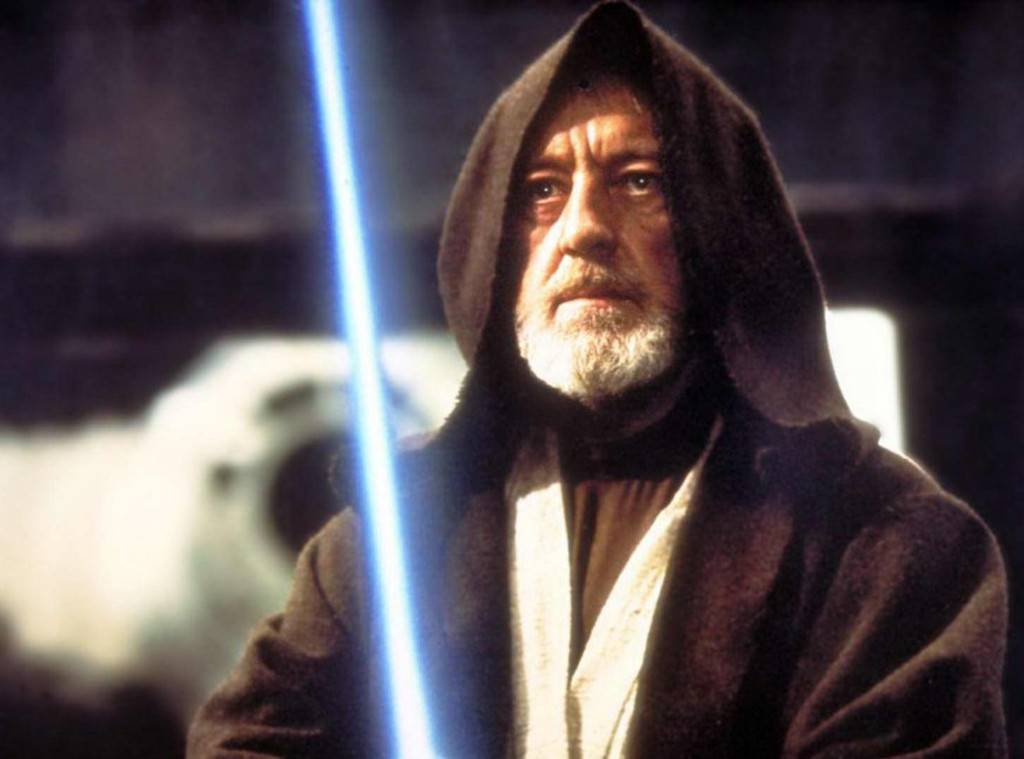

“A man who follows someone else not only does not find anything, he is not even looking. But surely you are going to walk in your predecessors footsteps? Yes indeed, I shall use the old road, but if I find a shorter and easier one I shall open it up. The men who pioneered the old routes are leaders, not our masters. Truth lies open to everyone. There has yet to be a monopoly of truth. And there is plenty of it left for future generations too.”
The world of words we inhabit is so continuous and ever-changing, it is near inseparable from the world of non-words, or things. Sometimes we call this reality. Reality, as author Philip K. Dick defines it, is the “part of life that doesn’t go away when you stop believing in it.” It was this I was pondering when reading Seneca’s Letters from a Stoic the other day. Leaders are made, not born. They are believed in, which gives them their power.
Mastery over others can follow leadership, this is true. The charisma and cunning of leaders throughout history have moved nations into greatness; others have led them straight into a firing line. Once we have accepted someone as leader and master, is there any resolve left to carve our own path? Can we all be leaders? Can we be leaders without being masters?
In my previous blog on mastery, I talked about mastery as the command of a subject or process to it’s highest degree, not mastery as a person having dominion over others. The dominion is a voluntary process; there is no natural law that decrees one person having control over another, at least not in this day and age. Leaders as Masters may use rhetoric, “fear, uncertainty, and doubt” and other tricks to get others under their thumb. Living in a “post-truth” world, they purport to have a monopoly on truth, the same monopoly Seneca denies to any one person.
In business, some think of “leadership” as “mastery” - that they are the boss, they know better, and others should do what they say. This is not leadership, let alone mastery. Mastery, as I discussed earlier, is the attitude that one has achieved so much that there is nothing more to be learned. This too is folly.
I think that leaders can be learned from. Leaders who have both succeeded and failed in their pursuits are excellent learning tools. They led the way into a new market, a new field of study, a new path; and right now is the time we push the frontier of what’s unknown back a little more.
As humans, we are the only creatures we know of that bind time; that is, project our knowledge into the future through our children and (hopefully) build upon it. This is what Seneca means by “there is plenty left for future generations.” Their chase for wisdom has only just begun, and may teach us something in the process.
When I see “thought leaders” and “business leaders” in print, my mind turns to the “mastery” definition of leaders - that they must have followers to be leaders. I don’t think that definition, at least for me, cuts it any more. Perhaps we should think of leaders as those who got their first, or those who are trying something new, or those who speak truth when it falls on deaf ears. Leaders need not be sitting atop piles of riches to be leaders. Military leaders can charge into battle and be forced to retreat. In the absence of anyone willing, leadership appears when someone says “I’ll do it.”
All can be leaders, if we live in accordance with nature; that is, seek truth and concern ourselves with “what is going on” instead of “what’s inside our heads.” Following the majority will lead to mediocrity after all, as Seneca once wrote in his Letters.
Leaders only have mastery over us if we give it to them.