
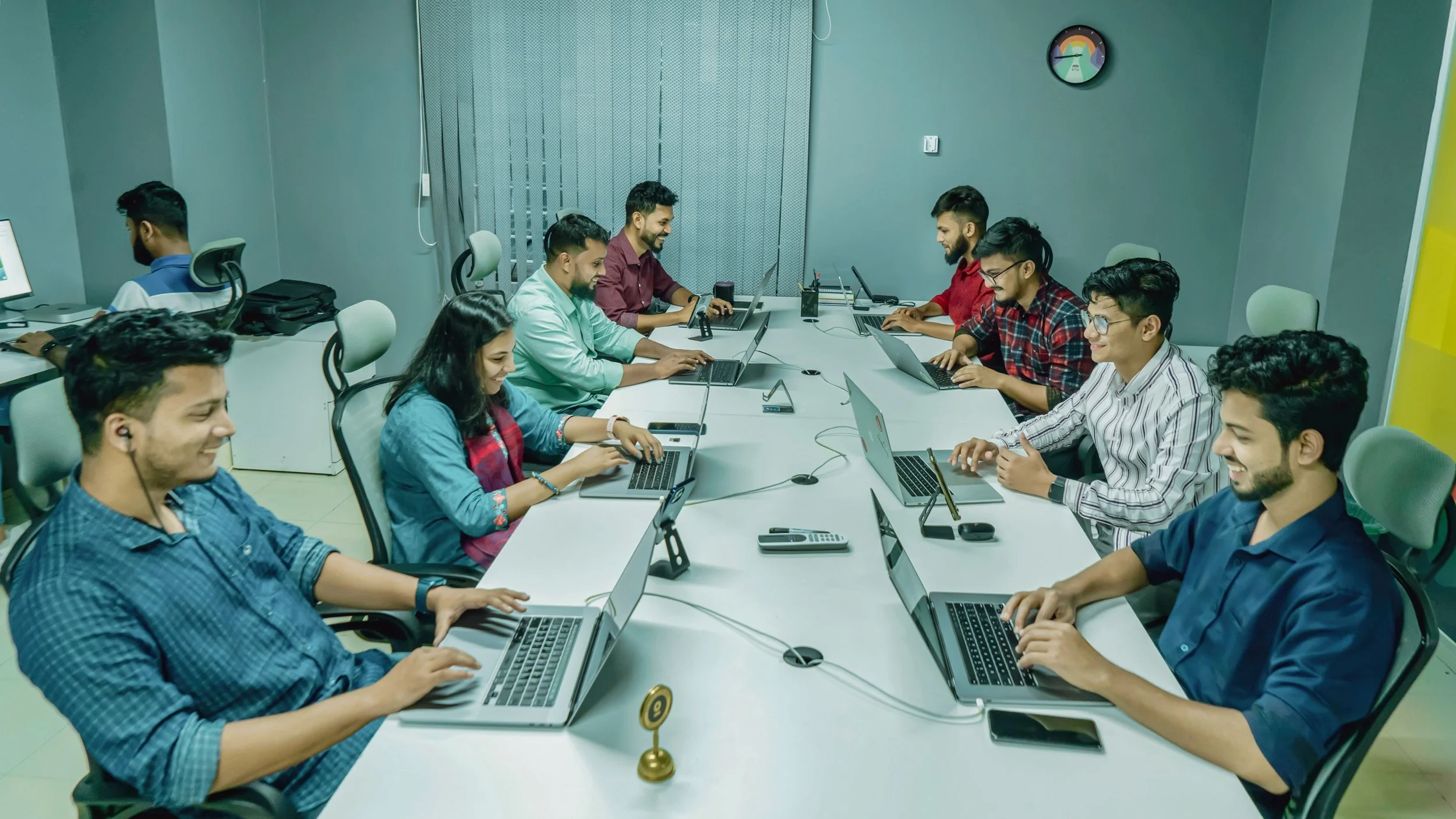
Building an offshore team means your business gains access to skilled staff at a lower cost than hiring locally. And many businesses have found genuine benefits to this type of hiring. However, there is always a risk when it comes to building an offshore team. And the ones who see the most success with offshore teams are the ones who put a structure in place before they even get to extend an offer.
Offshore hiring comes with a few considerations that don't apply to local hires. You have to navigate time zones and differences in communication that can impact how a new team member settles in and how quickly they get up to speed.
Getting this right from the beginning will make a massive difference, and the following tips are ways you can build a successful offshore team without making too many mistakes.
Define the Role Clearly Before You Start Hiring
A vague job description creates more problems offshore than it does locally, as there's less opportunity for a new hire to pick up on unstated expectations through everyday office interaction. To resolve this, you need to write out the specific tasks, tools and outcomes the role needs to cover rather than a general list of responsibilities. This gives candidates a clear picture of the job and reduces the chance of a mismatch once someone actually starts.
Don't forget to include details on working hours and how success in the role will be measured, as this will also help candidates self-select out if the arrangement genuinely isn't for them.
Use an Offshore Recruitment Agency Instead of Going Solo
Sourcing and vetting offshore candidates without local knowledge of the market can turn the entire process into something that is slow and challenging, especially for those navigating offshore recruitment for the first time.
It can be beneficial here to look for offshore recruitment experts who can take over handling sourcing, screening and carry out reference checks on a business's behalf. It can also give you access to a wider pool of vetted candidates than a business is likely to reach independently.
Set Clear Communication Expectations from Day One
Offshore team members often work different hours or communicate primarily through written messages rather than in-person conversation, which makes clear expectations around response times and communication tools essential from the outset.
Agreeing on which channels to use for different types of communication along with realistic expectations for turnaround time given any time zone gap prevents some of the most common miscommunication issues that businesses come up against.
Check In Regularly During the First Few Months
The first few months of any new hire's role are when the small issues are much easier to catch and correct. This is especially true for offshore workers where there are fewer opportunities to notice some things off. Scheduling regular one-on-one check-ins during this period rather than assuming things are fine without hearing otherwise will help you surface any confusion or misalignment during a period where it's early enough to be fixed so it's not snowballing into a bigger problem.